Book Review-House of God
In case you didn't already know, I love my Kindle. Love. It.
And have been taking advantage of a much friendly third year of residency by trying to get in as much reading as I can.
I finally read a book that is well known in medicine by pretty much everyone. It was written a number of years ago and has become almost an iconic capture of intern year. I had heard about it in college, medical school, and residency and it came pretty highly recommended but for whatever reason I never picked it up. Until now.
And I kind of loved it.
The book is:
House of God
By Samuel Shem
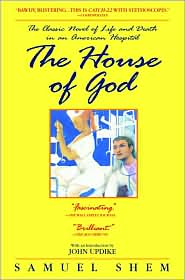
I think it is difficult for me to review this book so I'm going to try to talk briefly through why I really really really liked this book.
I only have one warning, it is relatively *ahem* dirty so you should be forewarned. To me, that part of the book was the least true to life...but maybe I'm just in a tame residency.
Ok here is my review.
1. Painfully true to life. I think that reading this during my intern year would have been incredibly disheartening. Intern year is hard, disorienting, at times a bit scary, and although such a time of profound learning and growth it truly stretches you. I can remember hiding in my call room when I was on call hoping that no one would page me because I was worried I wouldn't know how to take care of it. This book manages to capture the feeling that comes with "becoming" a physician, the raw panic that at times grips you combined with the weight of responsibility and the almost constant feeling of incapability.
2. Accurately highlights a lot of the failings of our medical system. The majority of our healthcare dollars (i.e. Medicaid) are used for a small percent (5-10%) of people in the final days/months of their life. We spend a HUGE portion of money taking care of the elderly. I don't necessarily think this is wrong, but I think Shem is able to paint a picture that sometimes to take care of someone means to do LESS rather than MORE. This is an exceptionally hard concept for people who want to feel like medicine is doing something for them. Sometimes medicine can't do enough. Period.
3. I'm so glad I'm not an intern. Seriously. I think the only way for me to get through it is to be where I am now. I'm not done by any means, but so much of the disorientation that he captures is gone, I will always have more and more to learn, but those first days, weeks, months are SUCH a steep curve that I can't imagine doing it again.
4. My family rocks. Part of the dysfunctionality in the book centers on the lack of meaningful relationships that a lot the characters have. I know that hours have changed significantly since the book was written, but part of what makes all of work so livable is coming home to people who know and love me and can keep supporting me even if I am a bit wonky due to patient stuff, not quite enough sleep, or whatever.
Ok. You should read this. Just don't read it if you are in medical school or an intern. Read it after. It's better that way. I promise.

2 comments:
It's been a long time since I've read it when Dad was a resident. Remember it was interesting reading as someone who loved someone going through it. Think I'll read it again.
I've never heard of this book! That sounds really interesting, and I think the part you mention about the paralyzing fear of not knowing quite what you're doing must be so intense--that resonates with me, for every time I start a new position with my psych training, and I can only imagine what it feels like for something like an ER...
Post a Comment